This introduced vine or climber
is commonly known as
Brazilian nightshade.
Solanum seaforthianum
is described as a "dicot"
in the
Solanaceae
family.
In the Queensland Nature Conservation Act it is not classified as it is not native to Queensland.
Under the Federal Environment Protection Biodiversity Conservation Act it is not classified.
As at 01/07/2016 listed as a non-declared environmental weed for the Fraser Coast region. Also reported on K'gari (Fraser Island)
https://inaturalist.ala.org.au/observations/111386617
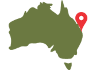
It has been recorded in the Wide Bay district in the Queensland Herbarium Census and is
listed as occurring in the Fraser Coast region in the Atlas of Living Australia.
Reported at 53 Fraser Coast localities: Dundathu, Craignish, Pacific Haven, Dundowran Beach, Booral, Takura, Point Vernon, Prawle, Duckinwilla, Toogoom, Tiaro, Dundowran, River Heads, Yengarie, Urraween, Howard, Kanigan, Urangan, Pialba, Glenwood, Mount Urah, Granville, Bidwill, Teddington, Yerra, Gigoomgan, Glenorchy, Bauple, Mungar, Paterson, Maryborough, Tinana, Talegalla Weir, Magnolia, Boompa, Tandora, Malarga, Burrum Town, Owanyilla, Doongul, Eli Waters, Kawungan, Walkers Point, Gundiah, St Mary, Burrum Heads, Tinana South, Glenbar, Walligan, Bauple Forest, Brooweena, Gootchie, Sunshine Acres.
Fraser Coast distribution based on field reports.
AVH